Kratom Products USA: Types, Quality & Buying Guide | Canuck Kratom
Discover kratom products and botanical information with Canuck Kratom. Whether you are researching Mitragyna speciosa, comparing different kratom product forms, or learning about botanical quality standards, understanding product characteristics helps you make informed decisions. Explore our Kratom Products USA collection to learn about available product categories and their distinguishing features.
What Is Kratom?
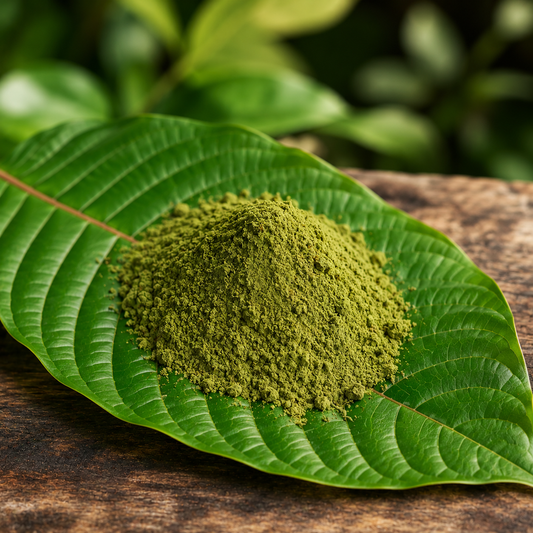
Kratom is a tropical tree native to Southeast Asia, scientifically known as Mitragyna speciosa and belonging to the Rubiaceae family. Its leaves contain naturally occurring alkaloids, including mitragynine and 7-hydroxymitragynine (7-OH). These compounds have attracted scientific interest because of their interactions with biological receptors and their potential health risks. Kratom products can vary considerably in composition, processing, and alkaloid concentration.
Explore Different Kratom Types
Red Vein Kratom
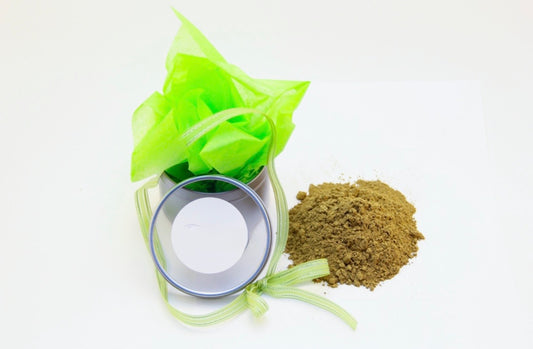
Red vein kratom is a common commercial category based on leaf characteristics and processing practices. Consumers researching these products should examine ingredient information, product labeling, and available laboratory documentation rather than assuming that a color classification guarantees particular effects. Visit the Red Vein Kratom USA collection to explore this product category.
Green Vein Kratom
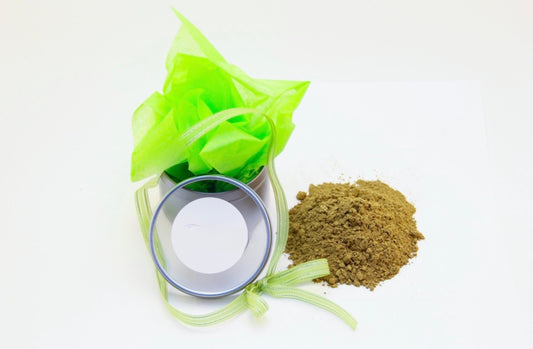
Green vein kratom is another widely used commercial classification. Differences in growing conditions, harvesting, drying, and processing may influence the chemical composition of individual products. Learn more through the Green Vein Kratom USA collection.
White Vein Kratom
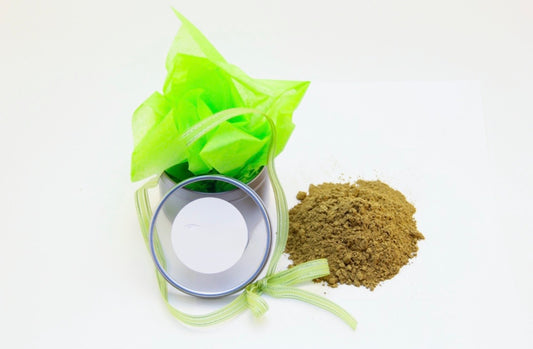
White vein kratom is commonly identified by its commercial leaf classification. As with other varieties, strain names do not establish standardized alkaloid levels or guarantee consistent results. Explore the White Vein Kratom USA collection for related product information.
Kratom Variety Packs and Organic Herbs
Kratom variety packs bring together different product varieties, while botanical products marketed as organic herbs may have separate sourcing and certification requirements. Check product descriptions and documentation carefully to verify ingredients and any organic certification claims. Browse the Kratom Variety Pack USA collection or explore Organic Herbs USA.
Kratom Product Forms and Quality Standards
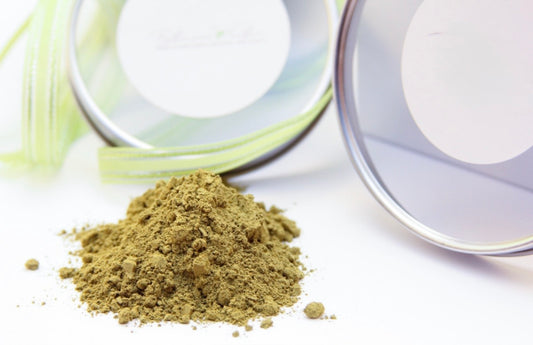
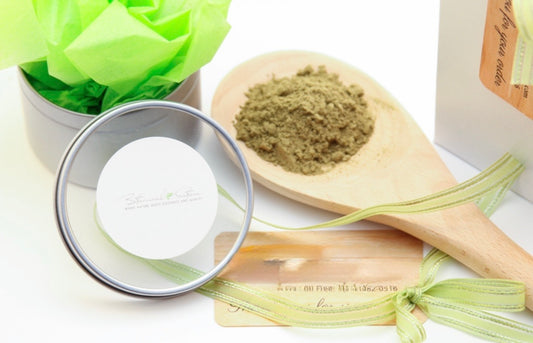
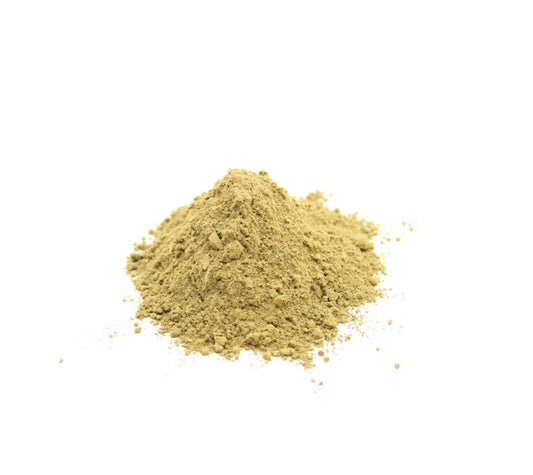
Kratom products may be offered as powders, capsules, crushed leaves, teas, or concentrated extracts. Natural leaf products can differ substantially from enhanced formulations containing concentrated alkaloids. In particular, 7-OH products may have a different risk profile from traditional kratom leaf products.
When comparing products, review ingredient lists, batch identification, manufacturing information, and third-party laboratory reports. A certificate of analysis (COA) may provide information about heavy metals, microbial contamination, and other tested parameters. Laboratory testing supports quality assessment but does not establish that a product is safe for consumption.
Kratom Safety and US Legal Considerations
Kratom can cause adverse effects, dependence, and withdrawal symptoms, and it may interact with medications or other substances. The US Food and Drug Administration has not approved kratom for medical use. Consumers should consult reliable scientific sources and healthcare professionals when evaluating potential risks.
Kratom-related laws vary across US states and local jurisdictions. Before purchasing or distributing kratom products, verify current requirements concerning product formulations, age restrictions, and applicable regulations.
Explore Canuck Kratom
Visit Canuck Kratom to browse available collections and review product-specific information. Compare product descriptions, ingredient details, and quality documentation to understand what each category contains before making an informed decision.

 Link label