Red Vein Kratom: Explore Strains, Products and Quality Information
Discover Red Vein Kratom at Canuck Kratom, where shoppers can explore product information, compare available options, and learn about important quality and safety considerations. Whether researching red vein kratom powder, capsules, or different commercial strain names, understanding product labeling and composition can help you make an informed decision.
Browse our Kratom Products USA collection to explore the available selection, or visit the Canuck Kratom homepage for more information about our website.
What Is Red Vein Kratom?
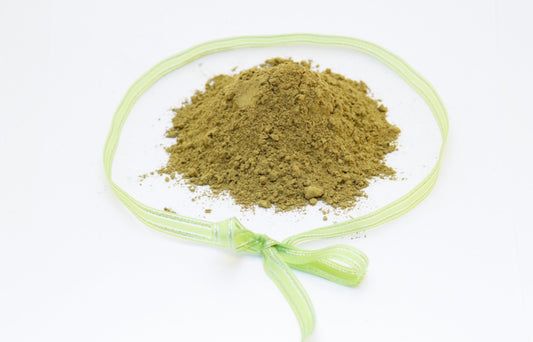
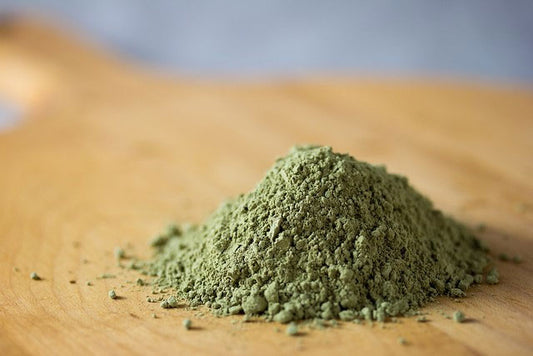
Red Vein Kratom is a commercial category of products derived from the leaves of Mitragyna speciosa, a tropical tree native to Southeast Asia. Kratom leaves contain naturally occurring alkaloids, including mitragynine and 7-hydroxymitragynine (7-OH). Their concentrations can vary depending on the source material, processing, and product formulation.
Explore our dedicated Red Vein Kratom USA collection to review available products and their descriptions. Product names and vein-color classifications are marketplace conventions rather than guarantees of identical chemical composition or effects.
Explore Popular Red Vein Kratom Strains
Common commercial strain names include Red Bali Kratom, Red Maeng Da Kratom, Red Borneo Kratom, Red Thai Kratom, Red Malay Kratom, and Red Sumatra Kratom. These names may reflect vendor-specific sourcing or product descriptions, but they are not standardized botanical classifications.
When comparing red vein kratom products, review the listed ingredients, package size, product specifications, and available laboratory documentation. Avoid relying solely on strain names or unsupported claims about particular effects.
Red Vein Kratom Powder vs. Capsules
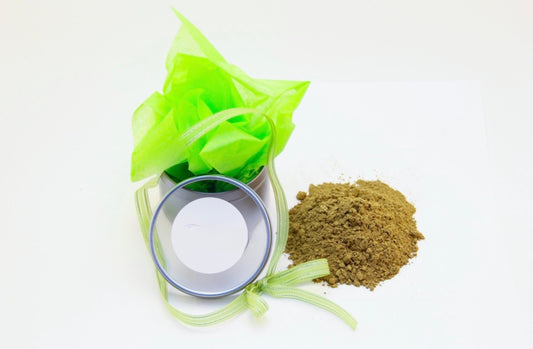
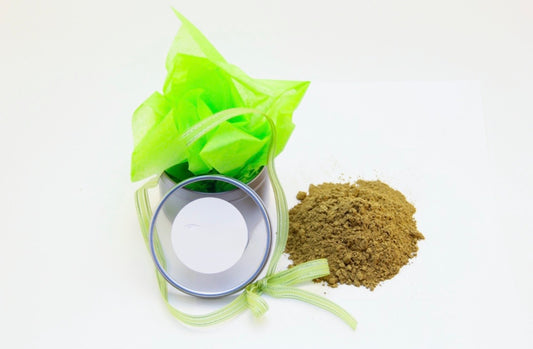
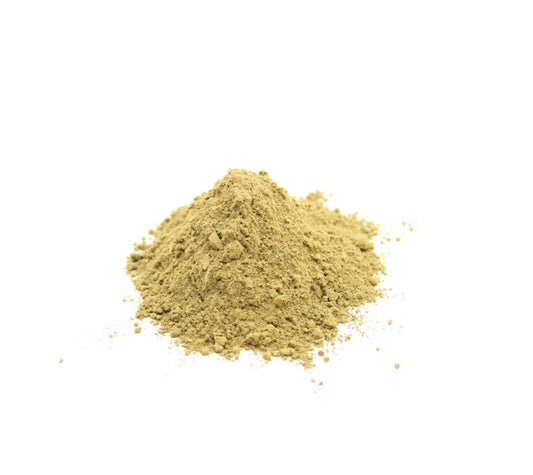
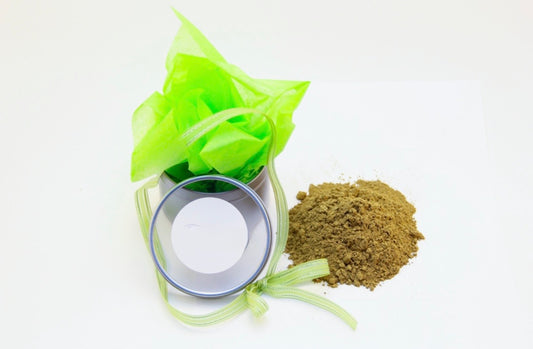
Red vein kratom powder is a ground-leaf product, while red vein kratom capsules contain a stated amount of material within capsule shells. When comparing kratom powder vs. capsules, consider the net weight, capsule count, ingredient list, packaging, and product labeling.
For a broader comparison, explore the Green Vein Kratom USA collection, the White Vein Kratom USA collection, and the Kratom Variety Pack USA collection, where available. Green, white, and red labels do not establish standardized alkaloid profiles or predictable effects.
Understanding Kratom Product Quality
Product transparency is an important consideration when evaluating kratom. Look for clear ingredient disclosures, batch identification, and third-party laboratory testing where available. A certificate of analysis (COA) may provide information about alkaloid content and screening for kratom contaminants, such as heavy metals or microbial contamination.
Review the laboratory identity, sample identification, report date, and testing scope. Although kratom purity testing can provide useful information, a laboratory report does not guarantee that a product is completely safe.
You can also browse our Organic Herbs USA collection to explore other products in that category. For a different bath-related product category, visit our Bath Bombs USA collection.
Kratom Safety and U.S. Legal Information
Understanding red vein kratom benefits and risks is essential. The FDA has warned about kratom-related risks, including dependence, withdrawal, seizures, and liver toxicity. Kratom products are not FDA-approved medicines, and concentrated or enhanced 7-OH products raise additional safety concerns.
Kratom legality in the United States varies by jurisdiction. Before purchasing, check current federal requirements and applicable state and local laws. Review product warnings carefully and consult a qualified healthcare professional about potential adverse effects or medication interactions.

 Link label