Link label

Heavy Metals in Kratom: Testing, Lead, Mercury & Safety
Heavy metals in kratom are an important quality and safety consideration for consumers who want to understand how kratom products are sourced, processed, and tested. Kratom heavy metal contamination can involve substances such as lead, mercury, arsenic, and cadmium, which may enter botanical products through soil, water, processing equipment, or environmental exposure. Understanding heavy metal testing, kratom lab testing, and certificates of analysis (COAs) can help consumers make more informed purchasing decisions.
In this article
What Are Heavy Metals in Kratom?
How Is Kratom Tested for Heavy Metals?
Why Heavy Metal Testing Matters for Kratom Quality
Does Canuck Kratom Test Its Products?
Final Thoughts on Heavy Metals in Kratom
What Are Heavy Metals in Kratom?
Heavy metals are naturally occurring elements that can become contaminants when present at undesirable concentrations. In kratom products, common substances screened during elemental analysis include lead, arsenic, cadmium, and mercury. The presence of a contaminant does not automatically mean that every kratom product is unsafe; the important considerations include the amount detected, applicable standards, testing methodology, and the product's intended use.
Kratom powder heavy metals can be influenced by growing conditions and agricultural practices. Kratom extracts may also require appropriate contaminant screening because processing and concentration can affect the composition of the finished product.
Lead, Mercury, Arsenic, and Cadmium
Lead in kratom is one of the contaminants consumers may look for on a laboratory report. Mercury in kratom, arsenic in kratom, and cadmium in kratom are also relevant because excessive exposure to these elements can present health concerns. For this reason, responsible quality programs may include heavy metal testing as part of broader kratom purity testing.
How Is Kratom Tested for Heavy Metals?
Professional kratom lab testing can use laboratory techniques designed to identify and quantify elemental contaminants. ICP-MS testing, or inductively coupled plasma mass spectrometry, is one analytical method used for highly sensitive elemental analysis. A qualified kratom testing laboratory can analyze a representative sample and report detected concentrations for individual elements.
Third-party laboratory kratom testing provides an additional layer of transparency because testing is performed outside the manufacturer's routine production process. Consumers reviewing a kratom COA should look for the laboratory name, sample information, test date, batch or lot identification, analytical method, individual contaminant results, and applicable reporting limits.
Understanding a Kratom Certificate of Analysis
A certificate of analysis (COA) should provide specific laboratory results rather than simply stating that a product is “tested.” When learning how to read a kratom COA, consumers can check whether lead, arsenic, cadmium, and mercury are specifically listed and whether the reported results meet the laboratory's stated specifications or applicable acceptable heavy metal limits.
A complete quality program can extend beyond elemental testing. Microbial testing, adulterant screening, batch testing, and other forms of contaminant screening can help evaluate different aspects of kratom quality.
Why Heavy Metal Testing Matters for Kratom Quality
Kratom safety depends on more than the identity of its naturally occurring kratom alkaloids, including mitragynine and 7-hydroxymitragynine. Raw botanical materials can potentially encounter environmental contaminants before they become finished products. Effective kratom quality control therefore considers sourcing, handling, processing, testing, and documentation.
GMP kratom manufacturing and cGMP manufacturing principles can provide a framework for consistent production and quality control. However, consumers should distinguish between general manufacturing claims and independently documented laboratory results for a particular batch.
How to Choose Lab-Tested Kratom
When comparing reputable kratom vendors, look for transparent kratom testing information and batch-specific documentation. A vendor that provides accessible COAs and identifies the testing laboratory makes it easier for customers to evaluate product quality. Safe kratom sourcing should also involve appropriate handling, storage, and contamination prevention throughout the supply chain.
Consumers should also be cautious about assuming that a product is contaminant-free simply because it is labeled “natural.” Natural botanical products can still encounter environmental contaminants, which is why laboratory analysis of kratom is useful for verifying quality characteristics.
Does Canuck Kratom Test Its Products?
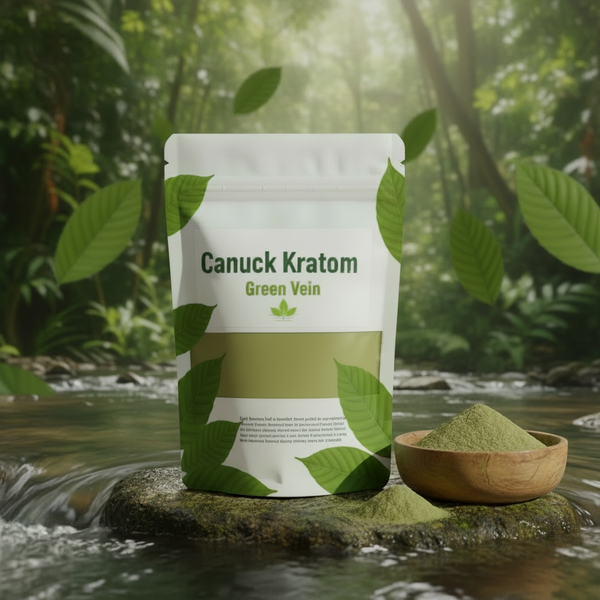
Canuck Kratom offers products such as Super Green Kratom for customers looking for kratom products from a dedicated kratom retailer. Before purchasing, consumers should review the available product and batch documentation and consider the testing information provided for the specific product and lot.

Final Thoughts on Heavy Metals in Kratom
Heavy metals in kratom are best evaluated through objective laboratory testing rather than assumptions based on appearance, color, or product labeling. Lead, mercury, arsenic, and cadmium are among the contaminants that may be included in a comprehensive testing program. Looking for third-party testing, a detailed kratom COA, batch identification, and transparent laboratory results can help consumers better understand kratom quality and contamination risks.
Because regulations and acceptable heavy metal limits can vary by jurisdiction and product category, consumers should also check applicable local regulatory requirements and consult qualified professionals for health or exposure-related questions.
Explore our collections
Browse Canuck Kratom's full range, sourced direct and shipped across Canada.