Link label

Kratom Batch Testing: COA, Lab Testing & Quality Guide
Kratom batch testing is an important part of quality control for kratom products. Instead of relying only on a supplier’s description, batch testing can provide laboratory data about a specific lot of kratom. Testing may evaluate alkaloid content, contaminants, microbial levels, heavy metals, pesticides, and other quality parameters. For consumers comparing kratom products, understanding laboratory testing and a certificate of analysis (COA) can make product information easier to evaluate.
In this article
What Is Kratom Batch Testing?
What Does Kratom Batch Testing Test For?
How to Read a Kratom COA
Why Third-Party Kratom Testing Matters
How to Verify Kratom Lab Results
Choosing Tested Kratom Products
Final Thoughts on Kratom Batch Testing
What Is Kratom Batch Testing?
Kratom batch testing is the laboratory analysis of a particular batch or lot of kratom. A batch number or kratom lot number helps connect laboratory results with the specific material that was tested. Depending on the testing program, a sample may undergo kratom identity testing, purity testing, potency testing, microbial testing, and contaminant screening.
The purpose is not simply to produce a laboratory report. Proper kratom batch testing creates traceability between the raw material, finished product, and laboratory results. This is an important component of kratom quality assurance and quality control.
What Does Kratom Batch Testing Test For?
The exact testing panel varies between laboratories and suppliers. Kratom lab testing may include several categories of analysis.
Alkaloid Testing
Kratom alkaloid testing can measure compounds such as mitragynine and 7-hydroxymitragynine. Results may show the concentration of individual alkaloids and provide an overall kratom alkaloid profile.
Laboratories may use analytical techniques such as HPLC or LC-MS to identify and quantify compounds. These laboratory testing methods can provide quantitative and qualitative information about a tested sample.
Contaminant and Microbial Testing
Kratom microbial testing can screen for microorganisms that may indicate contamination. Depending on the laboratory panel, testing can include bacteria, yeast, mold, E. coli, and Salmonella.
Other testing may examine heavy metals, pesticides, residual solvents, or potential adulterants. These analyses are particularly relevant to kratom purity testing and product quality evaluation.
How to Read a Kratom COA
A kratom certificate of analysis, commonly called a COA, is a laboratory document showing the results obtained from a tested sample. When reviewing kratom COA results, first check whether the report identifies the product, batch number, sample information, testing date, laboratory, and applicable testing methods.
A batch-specific COA is generally more useful for verification than a generic laboratory report because it connects the results to a particular lot. Consumers can also compare the reported mitragynine concentration, 7-hydroxymitragynine concentration, microbial results, heavy metals testing, pesticide screening, and other available parameters.
Why Third-Party Kratom Testing Matters
Kratom third-party testing involves an independent laboratory analyzing a sample rather than relying solely on internal supplier testing. An accredited laboratory, including an ISO 17025 laboratory where applicable, can provide additional transparency around analytical testing.
Third-party laboratory results can support supplier testing, manufacturer testing, product traceability, and quality assurance. However, consumers should still examine the actual report and confirm that the information corresponds to the product and current batch.
How to Verify Kratom Lab Results
To verify kratom lab results, look for a product-specific or batch-specific COA and compare its batch or lot number with the product information. Check the testing date, laboratory identification, analytical methods, and individual results.
It is also useful to understand what the report actually tested. A report covering only alkaloid testing does not necessarily provide microbial, heavy metals, pesticide, or residual-solvent results. Different testing panels answer different quality questions.
Choosing Tested Kratom Products
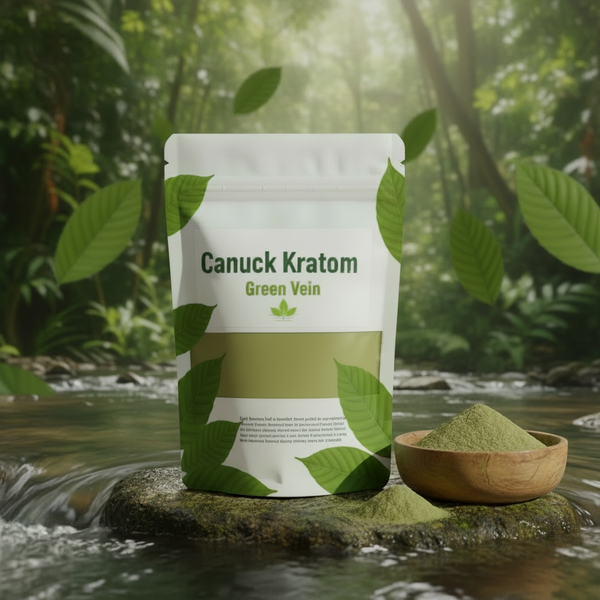
Testing transparency can be one factor when comparing kratom products. Canuck Kratom offers products such as Super Green Kratom, while consumers can review available product information and testing documentation when evaluating their purchase.

A transparent approach to kratom batch testing should focus on traceability, laboratory documentation, relevant testing parameters, and clear communication. Rather than assuming that every kratom product has identical testing, check the current information associated with the specific product and batch.
Final Thoughts on Kratom Batch Testing
Kratom batch testing helps connect a specific kratom product to measurable laboratory results. Understanding kratom COAs, alkaloid testing, microbial screening, heavy metals testing, pesticide analysis, and laboratory methods can help consumers make more informed comparisons.
When evaluating lab-tested kratom, focus on current, product-specific documentation and verify that the batch or lot number matches the material being sold. This makes the testing information more meaningful and supports greater transparency throughout the kratom supply chain.
Explore our collections
Browse Canuck Kratom's full range, sourced direct and shipped across Canada.